At South Australian Shark Cartilage, our focus is on helping you manage your arthritis symptoms with science-backed natural alternatives to regular medications.
Please note – This article is completely AI-free and was written with rigorous research using science-backed evidence and referencing clinical studies. You can click the links at the bottom of the article for more information.
If you’re looking for natural ways to ease your arthritis pain, you may find some help in your kitchen cupboard.
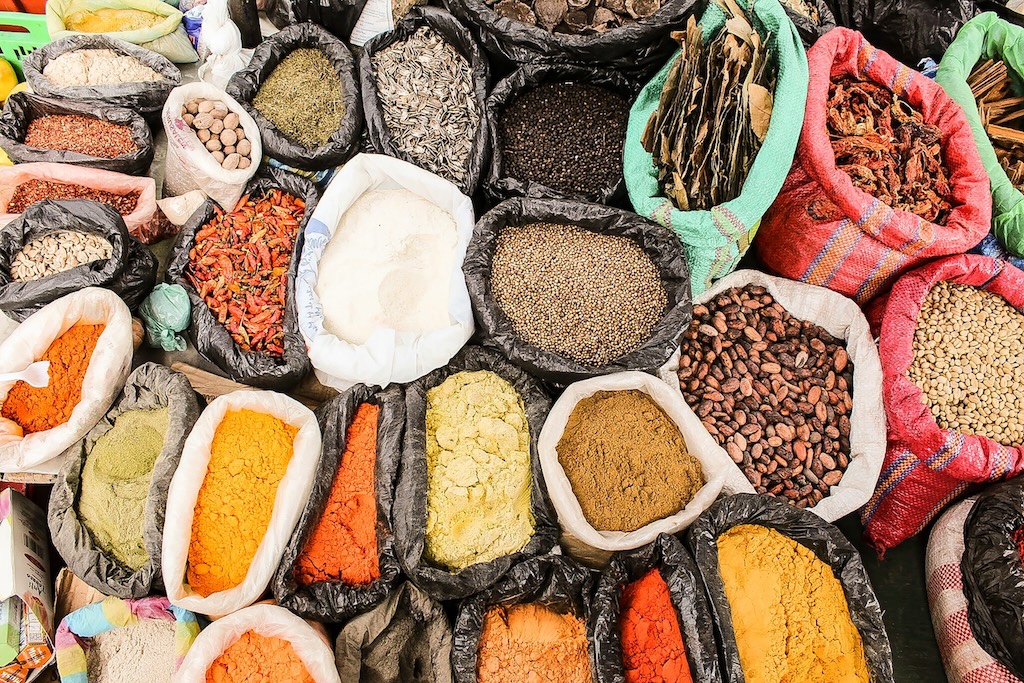
Those spices and herbs just aching to liven up your evening meals have a whole range of healing properties you may not be aware of, particularly for arthritis.
We’ve compiled eight of the best herbs and spices that may help relieve arthritis and joint pain when taken as supplements or included regularly in your diet.
It’s all in the history
The practice of herbal medicine dates back thousands of years. In fact, archaeological evidence shows that our ancestors used herbs during the Palaeolithic period around 60,000 years ago. The use of herbs for healing spread across the world but was particularly developed in places like Egypt, India and China.
Before we dive in, you might notice a common thread among many of these herbs: they’re rich in antioxidants and anti-inflammatory compounds. This is key. Arthritis is a chronic inflammatory condition, in fact, the word arthritis literally means inflammation of the joints. Herbs with antioxidant properties can help neutralise free radicals and oxidative stress, which in turn reduces inflammation.
So let’s raid the spice rack and see what these colouful, aromatic little numbers have to offer.
1. GARLIC
 Garlic has been known as a fantastic defence against colds and flus and an immune system booster for a long time.
But, you may not know that this faithful little spice is a potent anti-inflammatory and anti-immunomodulator. This means it not only helps keep your immune system balanced and strong, but also reduces inflammation in the body.
Garlic does this with an anti-inflammatory compound called diallyl disulfide, which limits the effects of pro-inflammatory cytokines.
Garlic makes the Arthritis Foundation’s list of best spices for Arthritis; “garlic can help fight inflammation and may even help prevent cartilage damage from arthritis.” (Footer Link #1)
This is a great excuse to keep adding garlic to your meals as much as possible, sprinkling it raw over your salads or even eating a whole clove each morning.
Studies:
70 women with moderate to severe rheumatoid arthritis participated in an 8-week randomised controlled trial to test the effect of garlic on arthritis symptoms. The group took either one gram of garlic per day or a placebo. The results saw a reduction in C-reactive protein (CRP), joint stiffness, disease activity score, pain, and fatigue. (Study)
2. TURMERIC
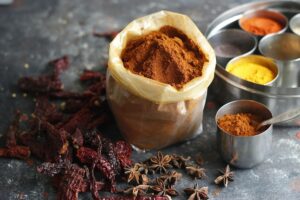 Those fancy turmeric lattes people sip these days may be a whole lot more beneficial than just a cute yellow grin.
So why the popularity? Turmeric doesn’t just add a dashing yellow colour to your favourite smoothie; it is a spice full of powerful healing properties.
What’s most important for your arthritis is that turmeric contains curcumin, which targets inflammatory cells and blocks certain enzymes that lead to inflammation.
Adding turmeric to your cooking is definitely worthwhile, but throwing it in smoothies and muffins will not give you the anti-inflammatory benefits you need. Turmeric only contains 2 to 9 per cent of curcumin, so it’s best to supplement for a more efficient gain. Dr. Horwtiz from the University of Arizona College of Medicine says to look for turmeric supplements that say, “standardized to 95% curcuminoids”. (Footer Link #2)
Tip: Make sure your turmeric contains ‘piperine’ or black pepper extract. The pepper combined with curcumin increases its bioavailability by 2,000 percent.
Note: The supplement may interact with some prescription medications and can aggravate gallstone disease, advises Dr. Horwitz. Check with your doctor about dosage and if it’s a safe option.
Studies
2016 was the year for turmeric! Two studies were undertaken. A randomised controlled trial found that 1,000 mg a day of curcumin reduced osteoarthritis pain and inflammation as effectively as nonsteroidal anti-inflammatory drugs. (Study)
Avoid turmeric/curcumin if you take blood thinners such as warfarin, are about to have surgery, are pregnant or have gallbladder disease.
3. GINGER
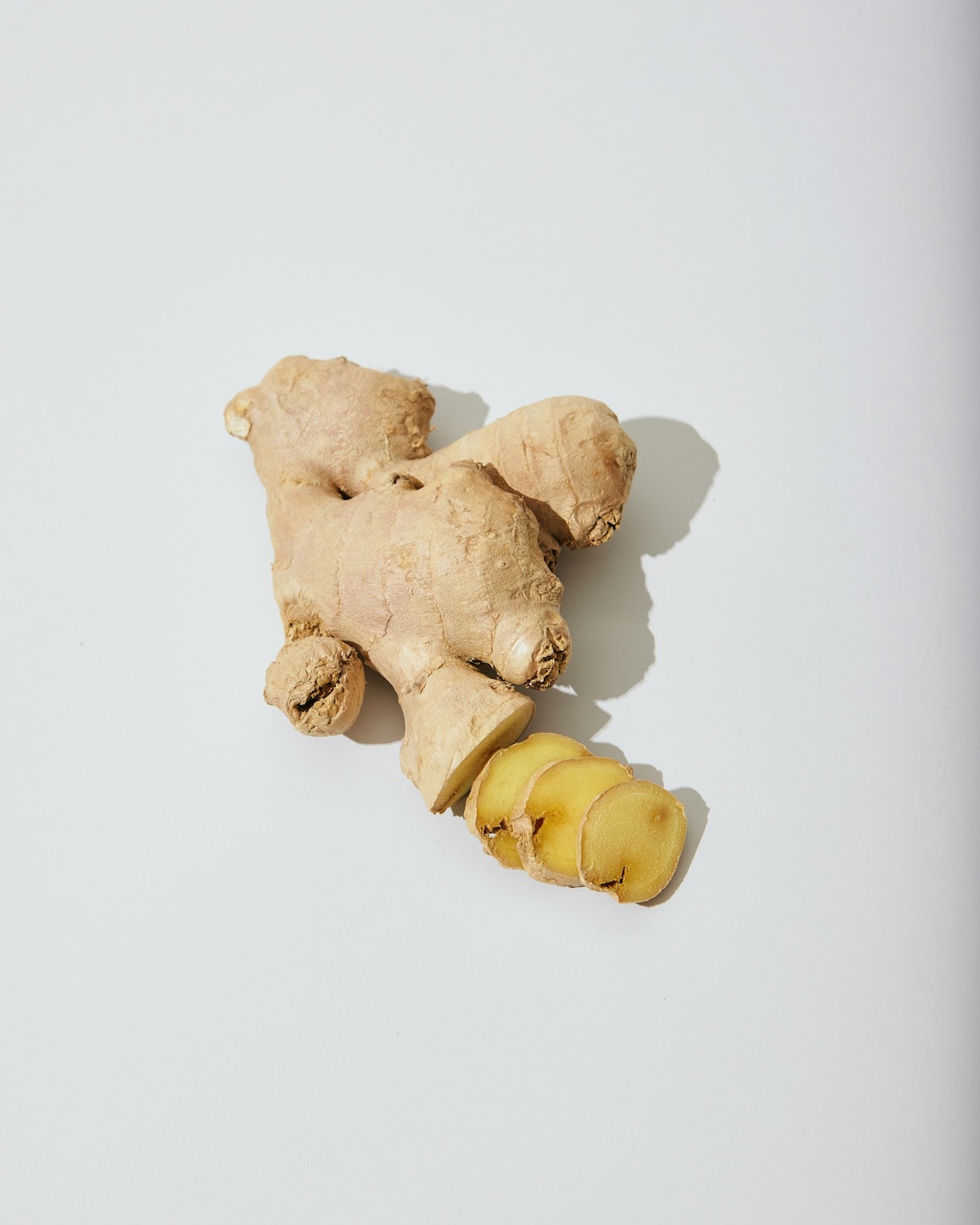
This feisty spice is considered one of the best foods to combat arthritis symptoms. Like garlic and turmeric, it also contains anti-inflammatory properties, and it’s a great antioxidant too.
According to arthritis-health.com, ginger is very helpful in relieving pain and improving function for all types of arthritis, including rheumatoid arthritis and osteoarthritis. If you like scientific proof, 5 studies found that “those with osteoarthritis who took ginger had a 30% decrease in pain and a 22% reduction in disability, compared with control groups.” (Footer Link #7)
The chemicals in ginger that block inflammation pathways in the body are gingerol and shogaol.
Tip: Ginger is best used in its fresh form. An excellent way to get your ginger fix is by boiling it in a tea. Use a one-to-two-inch piece of ginger and boil it for 30 to 60 minutes. *
Studies:
In 2001, a group of 261 patients with osteoarthritis in the knee and moderate-to-severe pain were placed in a randomised study group for 6 weeks. The group were given a highly purified ginger extract twice daily. There was a “statistically significant effect on reducing symptoms of OA of the knee.” (Study)
A win for ginger!
Note: Ginger can interfere with blood-thinning medications. Do not use if you have gallstones.
4. CARDAMOM
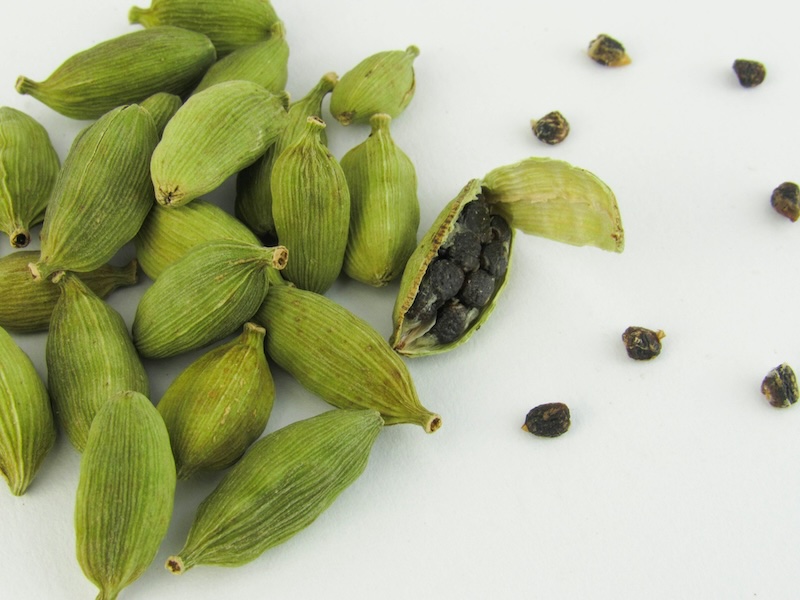
This exotic little number has a long history and is considered one of the oldest spices in the world. Dating back at least 4000 years, cardamom originally came from wild plants in Southern India. It then made its way along the trade route to the Arab states and Europe. The Ancient Egyptians used cardamom for many medicinal purposes and as part of their rituals, including embalming.
For thousands of years, people have used it to treat indigestion, asthma and bad breath. Most of us know it as a spice used in Indian dishes like dahl, but cardamom actually contains several vitamins, minerals and is fibre-rich.
More than just a winter warming spice, cardamom may help reduce arthritis symptoms due to its anti-inflammatory properties.
Studies:
Studies suggest cardamom ‘appears’ to increase the antioxidant status in the body, which means it can reduce inflammatory markers. In one study, a group of individuals with metabolic syndrome consumed cardamom daily for 8 weeks. Results showed a significant reduction in inflammation markers. (Study)
This steadfast little spicy pod may be a worthy addition to your arthritis treatment protocol
5. CINNAMON

More than just a sweet face (taste), cinnamon may have some healing benefits.
Cinnamon conjures images of winter fires, hands around warm mugs and Christmas time (cinnamon buns (cinnabuns) anyone?), but it also has strong antioxidant and anti-inflammatory properties. In fact, research shows that cinnamon has the highest antioxidant activity among 26 spices! Anything that reduces inflammation and increases antioxidants is a win for arthritis symptoms.
An interesting clinical trial undertaken in Iran showed evidence of cinnamon supplements reducing systemic inflammation but also “lower levels of pain and…lower tender and swollen joint counts as well”, according to rheumatologist and integrative medicine physician Neha Shah, MD.
But don’t swallow spoonfuls of cinnamon whole! A bizarre social media trend in the 2010s called the ‘Cinnamon Challenge’ caused some people to have respiratory attacks, like gagging and choking.
Studies:
690 participants in 12 studies took 1,500 to 4,000 mg of cinnamon daily for 10 to 110 days. Results found significantly reduced inflammatory markers in the participants and an increase in antioxidant levels. Another analysis of 285 people found a reduction in CRP levels in conditions like rheumatoid arthritis. (Study)
Note: If you take blood thinners, consult with your doctor before taking cinnamon as a supplement due to spice-drug interactions.
6. BLACK PEPPER (piperine)
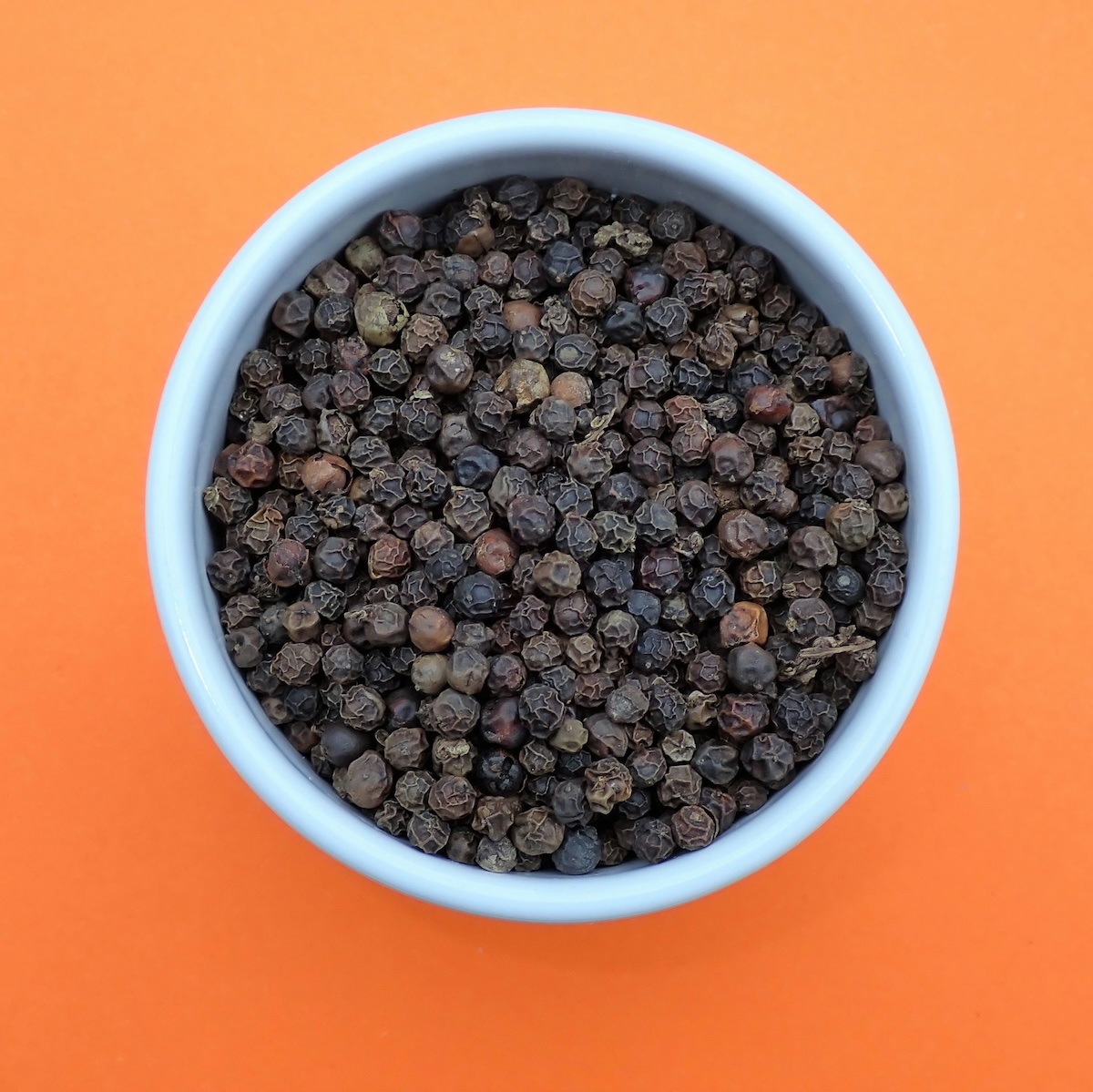 Good old- fashioned black pepper may be a helpful addition to your natural arthritis treatment toolkit.
Studies have shown it has powerful pain-relieving and anti-inflammatory properties. One study showed piperine may be almost as effective for arthritis sufferers as prednisolone, a common arthritis medication. (Study).
When added to turmeric, black pepper boosts the anti-inflammatory effects of these two spices. You can also buy turmeric supplements with additional black pepper.
Studies:
A study in rats with arthritis showed piperine (a compound found in black pepper) reduced joint swelling and inflammation. (Study)
7. GINSENG
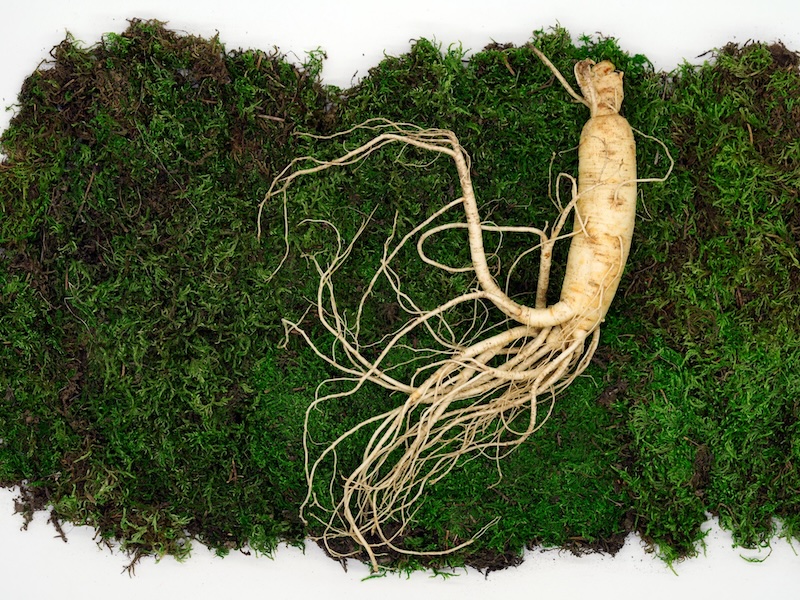 Originating from Korea and parts of East Asia, panax ginseng (or Korean red ginseng) has been considered a powerful herb with many healing properties for centuries.
This healing plant grows in China, Korea and Siberia and contains many chemical compounds, like ginsenosides and panaxosides that are thought to have medicinal properties. It’s been used to boost energy, improve cognitive function, support immunity and combat stress.
When it comes to arthritis, again, it all comes back to inflammation, and studies now show that red ginseng acts as an antioxidant and anti-inflammatory agent.
Studies:
A randomised trial showed patients who took red ginseng improved joint pain and increased production of antioxidant enzymes. (Study).
Note: Ginseng is a strong herb, so take care when dosing. It’s best not to take it any longer than 6 months, as it may have some hormone-like effects that could be harmful when used long-term.
8. ROSEMARY
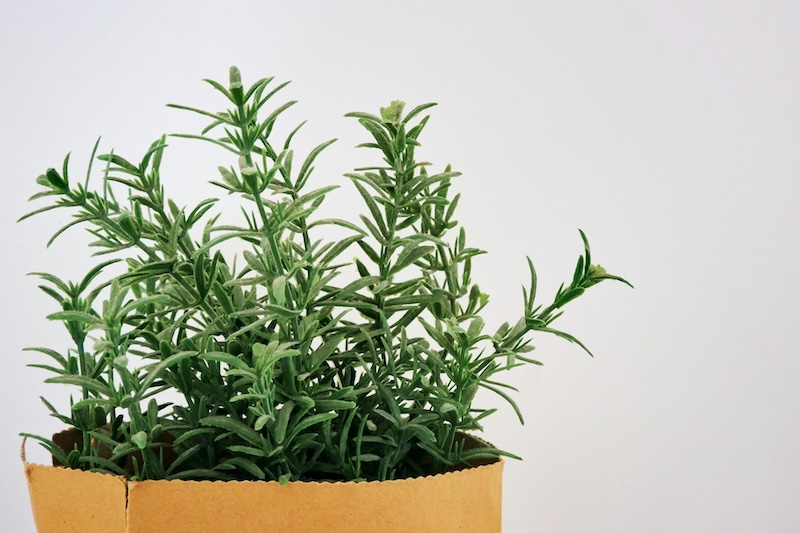
Last but not least, the divine rosemary. And what a history it has.
As a healing herb, rosemary dates back to the Middle Ages and earlier, when Europeans used it to ward off illnesses. They also dangled it around the entrances of homes and hospitals as a purification. A woody-smelling, pungent herb, rosemary has been a popular addition to savoury dishes for centuries. But this tried-and-true wonder is also a rich source of anti-oxidants and anti-inflammatory compounds – rosmarinic acid and camphor, to be exact.
Rosemary won’t directly reduce your arthritis pain, but when used as an aromatherapy oil, it acts on the smell receptors in the nose to help relieve pain and stress. Mehmet Oz, MD, director of Columbia University Medical Centre’s Integrative Medicine Centre in New York City, says “Aromatherapy is effective because it works directly on the amygdala, the brain’s emotional centre.”
Including rosemary in your aromatherapy kit could be a useful addition to your arthritis treatment. Using the herb in your cooking can aid in reducing inflammation.
And the wrap-up
Like these herbs, South Australian Shark Cartilage also contains anti-inflammatory and antioxidant properties. These properties help reduce inflammation in the body, boost your immune system and relieve joint pain.
While it’s important to seek medical advice for treating your arthritis, it’s very clear that our ever-loving Mother Earth has provided us with an abundance of wonderful healing herbs and spices that can add more than just flavour to your life.
Sources
- Best Spices for Arthritis, Arthritis.org
- Turmeric-Curcumin for Arthritis, Creakyjoints.org
- Supplement and Herb Guide for Arthritis Symptoms, Arthritis Foundation
- 10 Scientific-Backed Benefits of Green Cardamom (+ Side Effects), Monk’s Chai
- 9 Herbs and Spices that Fight Inflammation, Healthline
- Can Cinnamon Help to Ease Rheumatoid Arthritis Symptoms?, Everyday Health
- Cinnamon Challenge, Wikipedia
- 11 Science-Backed Benefits of Black Pepper, Healthline
- Everything you need to know about rosemary, Medical News Today
- 12 Best Foods for Arthritis, Arthritis.org
- Best Spices for Arthritis, Arthritis.org